City · Russia
Gunib
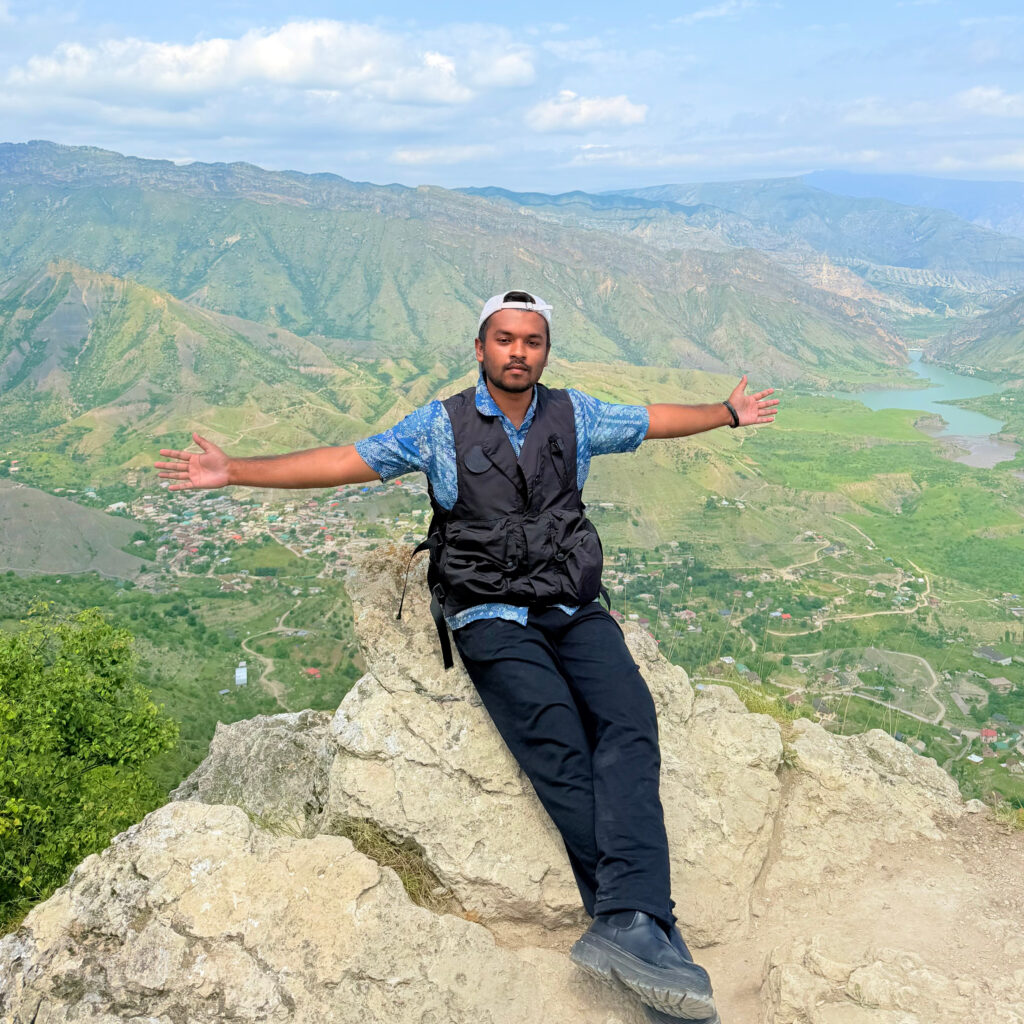
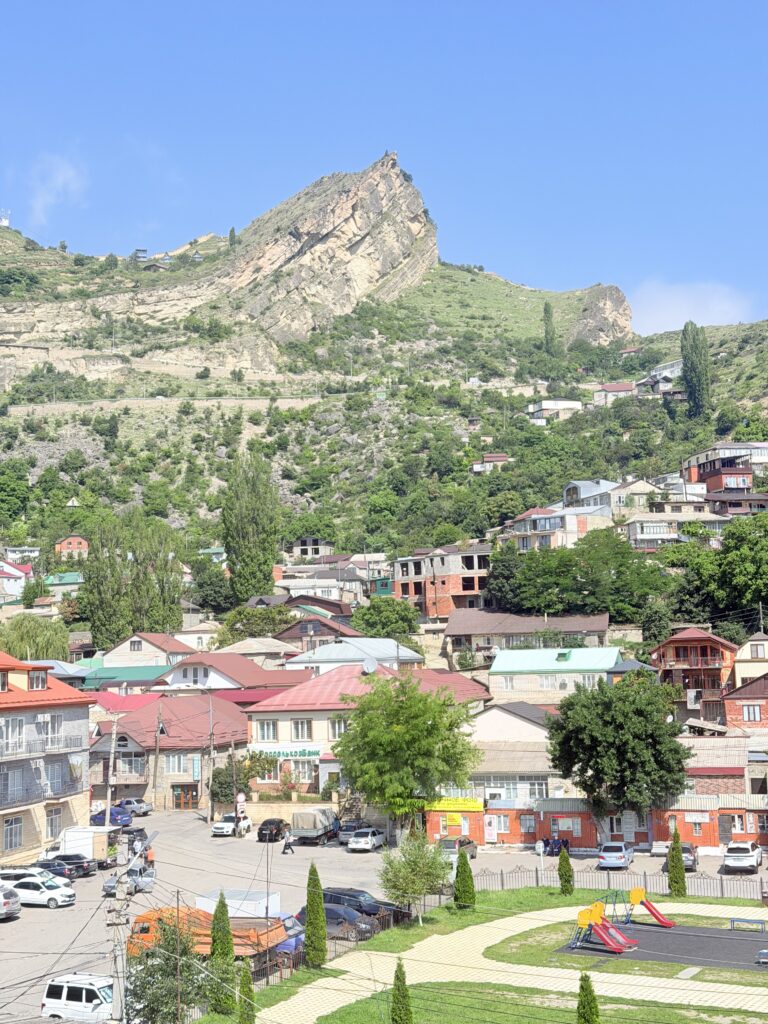
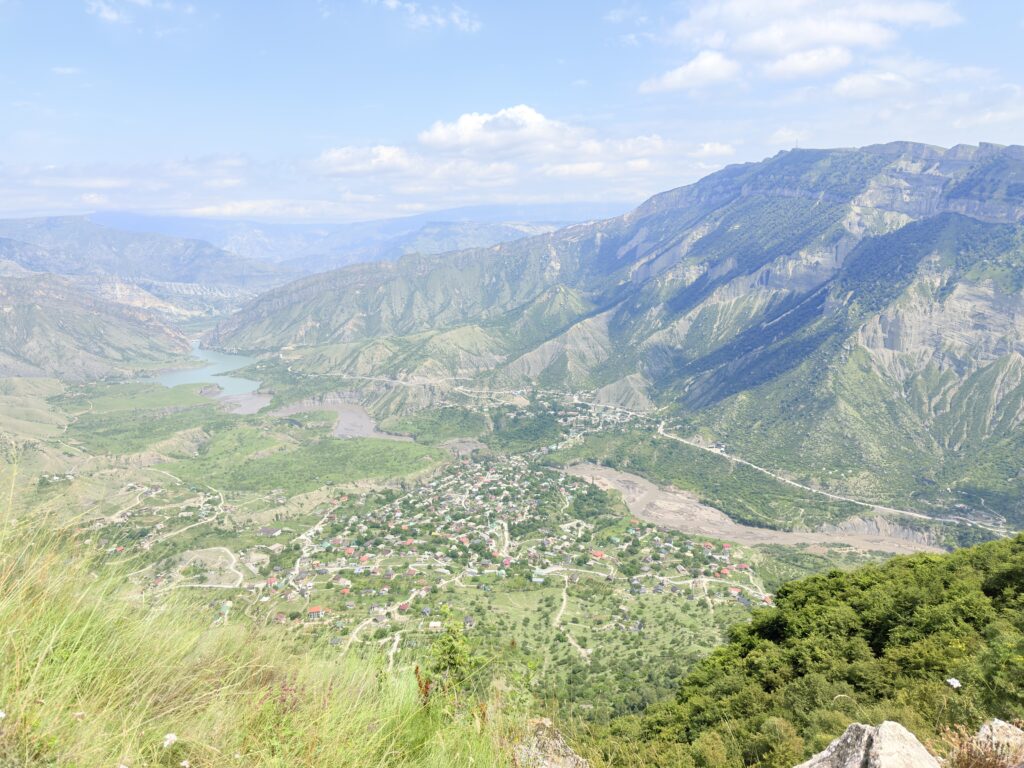
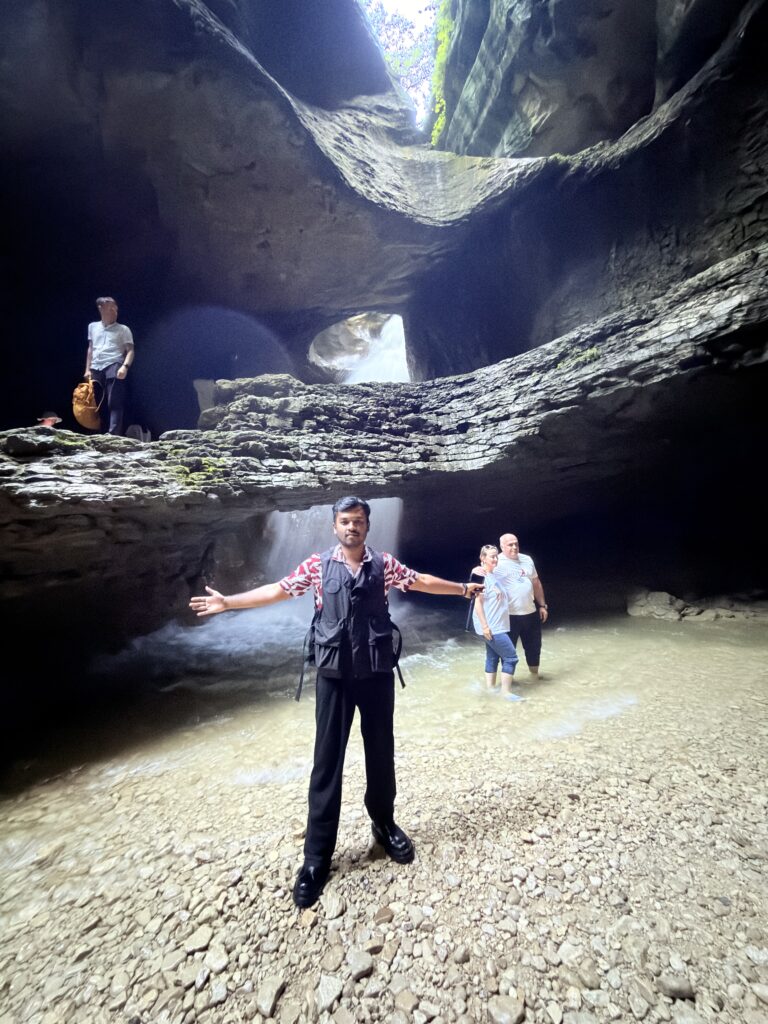
Films, notes and local encounters from Gunib.
Gunib, Dagestan: Travel Guide & Historical Highlights
Hidden high in the North Caucasus mountains of Dagestan, Gunib is a breathtaking village built into a dramatic natural amphitheater. Renowned for its sweeping alpine landscapes and pivotal role in 19th-century history, Gunib is an unmissable destination for history enthusiasts, trekkers, and travel creators.
The Historical Significance of Gunib
Gunib is often called a “natural fortress” due to its sheer cliffs and isolated high plateau. This remote location holds a central place in Caucasian history:
End of the Caucasian War (1859): After decades of fierce conflict, Imam Shamil made his final stand on the heights of Gunib. His surrender here to Russian Field Marshal Aleksandr Baryatinsky brought an end to the 40-year Caucasian War.
The Imperial Citadel: Following the war, Russian forces fortified the upper mountain ridges with heavy stone walls, towers, and bastions, much of which remains standing today.
The Royal Visit & Tsar’s Tunnel: When Emperor Alexander II visited Gunib in 1871, military engineers carved a dedicated tunnel straight through the mountain face so the Tsar would not have to travel the same path twice.
Top Attractions in Gunib
Gunib Fortress & Shamil Gate
Spanning the high mountain ridge, the historic stone walls of Gunib Fortress offer a powerful look into the region’s military past. Walking along the remaining ramparts leads through the iconic Baryatinsky and Shamil Gates, framed by sheer cliff drops and wide valley views.
Shamil’s Gazebo
Constructed in 1893, this historic memorial pavilion marks the precise spot where Imam Shamil met Field Marshal Baryatinsky in 1859. Tucked inside a peaceful forest area in Upper Gunib, it remains a focal point for understanding the end of the Caucasian War.
Mount Mayak (2,352m)
Standing as the highest point on the Gunib plateau, Mount Mayak is the ultimate reward for hikers. The summit offers an astonishing 360-degree panorama overlooking the Andalal Valley and the jagged mountain chains of Dagestan.
Tsar’s Glade (Tsarskaya Polyana)
This quiet, open meadow in Upper Gunib carries a unique imperial history. In 1871, Emperor Alexander II hosted a grand open-air banquet here for his army officers and imperial guards.
Victory Park & The Crane Monument
Overlooking Lower Gunib, Victory Park honors the local heroes of World War II. Inspired by the famous poem Cranes by Dagestani poet Rasool Gamzatov, the site doubles as one of the village’s most captivating observation points.
Gunib Museum of Local Lore
Located in the heart of the village, this cultural museum holds a rich collection of Caucasian War artifacts, traditional costumes, vintage photographs, and authentic weapons that tell the story of Gunib’s resilient spirit.
Photography & Content Creation Tips
Serpentine Mountain Roads: The winding switchback roads carving up the mountain toward Upper Gunib look incredible when shot with a wide-angle lens or captured from elevated viewpoints.
Dramatic Edge Shots: Standing beside the cliffside fortress walls creates a striking sense of scale, with clouds drifting over the deep valleys below.
Golden Hour Light: Sunset from Mount Mayak or the upper fortress walls washes the surrounding mountain peaks in warm, cinematic golden tones.
Essential Travel Information
How to Reach Gunib
Gunib is located roughly 140 kilometers southwest of Makhachkala (the capital of Dagestan). The drive takes around 2.5 to 3 hours by car or local taxi and passes through the Gimry Tunnel—the longest road tunnel in Russia.
Best Time to Visit
The ideal season to explore Gunib is from May to October, when the weather is warm, mountain roads are dry, and hiking paths are open.
Local Cuisine & Accommodation
Where to Stay: Family-run guesthouses and homestays offer warm hospitality and the most authentic local experience.
Must-Try Local Dishes:
Khinkal: Hearty, freshly boiled dough served with seasoned meat and flavorful broth.
Chudu: Thin, crispy flatbreads stuffed with minced meat, fresh herbs, pumpkin, or local cheese.